

How to Properly Maintain a Robot Vacuum
Robot vacuums are ideal for midweek cleaning and are especially useful for homes with children and pets. They're not a substitute for an electric vacuum.
Many robot mops allow you to customize cleaning settings via an app to suit the needs of your home. You can, for instance, set virtual boundaries that keep the robot out of hazardous areas, like pet beds or playpens for children.
How They Work
Robot vacuums use sensors to sense furniture, walls and other obstacles as they move around the room. They employ a combination of roller brushes, side brush and mops to sweep dirt into a powerful suction intake. Some models come with a hygienic one-touch ejection mechanism that drives dust deep into your trash can without the need to touch it.
Some robots have sensors that detect drops of a steep slope to stop them from falling. Some models have advanced mapping systems that permit them to create detailed floor plans and track their movements through your home. These models have a longer battery life when compared to other robotic cleaners that do not map. They can also go back to the dock to recharge in case they are unable to energy during cleaning.
All robovacs regardless of whether or not they feature an electronic mapping system, come with obstacle detectors that work by sending infrared signals to objects and observing the reflection. When an object is detected the sensor instructs the robot to stay clear of it or to change its path. You can adjust the settings of these sensors to prevent certain floors or rooms from being cleaned, or create an appointment for your vacuum to run automatically the sensors.
Some high-end robots use lidar (light detection and ranging) to build an 3D model of the room. The robots can navigate their home using this map and avoid obstacles like thresholds for doors and carpets with thick padding which are missed by conventional sensors. These types of models are usually more expensive and require additional installation steps. They can also come with a camera.
You can control a majority of robots with a mobile app that displays the robot's map and lets you schedule and start cleaning sessions. Certain apps will even send you (sometimes amusing) warnings about errors if your bot is having difficulties. To keep your robot in good working order, clean down the sensors and empty the dust bin between cleanings. To keep your robot hygienic it is important to wash any wet spills from the base.
Cleaning Options
A robot vacuum or mop can be a great tool to keep your home clean, but it's important to take care of these machines so that they last longer. They can be a liability as with any other device, if it's not maintained properly. This can lead to problems with performance, or even broken components. This can lead to an inefficient cleaning process. However, it is simple to fix.
Depending on the model you purchase, there are several different options for maintaining. Most robots come with an app that tells you when to clean or replace filters, main brush, and other accessories. It's important to follow the recommendations of the app for the best results.
Another key element in the life span of a robot is to keep its sensors free of. They can get clogged with dust, hair, or other debris, causing the robot to miss certain spots or become stuck. It is easiest to wipe the main and the side brushes regularly using a damp cloth (not dripping). If the dirt is more difficult to remove then you can make use of a soft-bristled brush.
It is also important to regularly empty the bin of dust and clean the bin's cover. This will reduce odors, and stop mold and mildew from forming. Typically, you'll need to clean the bin every five to ten cleaning sessions or about once a week. The filter must also be cleaned using an melamine foam pad which is dampened (but not dripping).
It is also important to plan your robot's regular cleaning schedule based on your family's activity and the kind of floor. A daily cleaning schedule is ideal for households that have pets or allergies while an every other day schedule will suffice for families that do not have them. Additionally, it's recommended to clean the docking station when it's not being used. This will make sure that any debris that remains will not block charging or navigation sensors when the robot is in use.
Battery Life
Robot vacuums, as with other smart home devices have limited lifespan and require proper maintenance to extend their lifespan. The typical robot vacuum will last for several years. However, factors such as usage frequency as well as the size and type of debris as well as battery capacity and quality can affect the life of the device. Most robotic cleaners use lithium-ion batteries, which are renowned for their long-lasting life and high energy density. Regular maintenance, such as emptying the dust bin as well as cleaning filters, can prolong the battery's lifespan.
The size of the robot vacuum can affect its battery life. In general, larger models take longer to recharge than smaller ones. This is due to larger models having larger brush rolls and motor. The use of an app that lets you regulate the size of the cleaning space helps increase the battery life of the robot. For instance, you can set the app to ensure that it only cleans certain areas or even the entire house. robotvacuummops can schedule the cleaner to clean at a particular time or at a certain location.
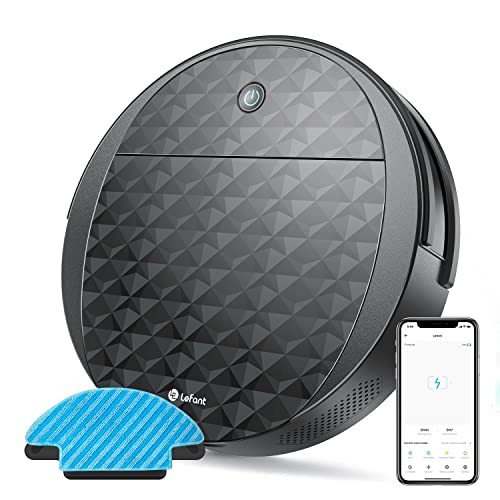
Beware of using the battery in extreme temperatures. Extreme cold can reduce the battery's capacity and force it to recharge more frequently, while temperatures that are hot can cause the battery to age more quickly. You can also try altering the temperature at your home to keep it at moderate levels.
You can also use your robot vacuum to sweep small areas, in order not to overload it. For instance, you can make use of the app to limit the cleaning of your living room and kitchen when you have a lot of pet hair. You can also try using the app to clean one specific area of your home, like your bedroom or mudroom, on a daily basis and the rest of the house every other day.
Most robot vacuums come with docking stations that acts as their home and charging station. When the battery is empty the robot goes back to the docking station to recharge by itself. The robot vacuum will continue cleaning the area it left. This feature eliminates the need for the user to manually push the device into its charging station. It is essential to store the robot vacuum in a dry, cool location, and keep it away from direct sunlight.
Safety
Like any connected device, a robot vacuum could be hackable and used to monitor you. Hackers may use metadata (data about the operation of the device) to gain access to your home and take personal information, like passwords and credit card details.
To safeguard your privacy, make sure you use a secure WiFi password on a network separate from your computer. Two-factor authentication is also an excellent option for mobile devices. Update your apps with the latest software that includes security patches.
Most robotic vacuums create detailed maps that aid in navigation. These maps are sent to the manufacturer's servers using your smartphone. This information is then accessible via the app of the manufacturer which you can use to control and set up your robot vacuum.
LiDAR sensors, the same technology used in self-driving vehicles are used by top robots to map and identify obstacles. These systems permit efficient movement around walls and furniture, and are the most accurate in dim rooms. There are other sensors for less expensive models, however, they may not work as well in dim light and do not have cliff sensors.
A robot that comes with built-in cameras should be equipped with a drop sensor. This will prevent the robot from falling down the stairs or onto other surfaces. This could damage the motor and other electronic components. This feature is important especially if your home is steep and has stairs that are steep or other obstacles.
Make sure that the sockets in which you plan to connect the robot vacuum charger have RCD protection, which can help to shield against electric shocks and reduce the risk of fires caused by overheating. It's also important to keep your robot vacuum charger, its charging station, and batteries from contact with hot or scalding surfaces like radiators and heaters for tacks.
While iRobot, Ecovacs and LG all earn high marks for data privacy--none of the companies we evaluated offer your personal information to third parties or use it for marketing purposes--Eufy falls short with vague and confusing language in its terms of service and privacy policies. This could be a sign the company doesn't care about your privacy.